Swing Logo
  • Blog
  • Lifestyle
  • Swinger Couples
  • Couple Swapping
  • Clubs
  • Threesomes
  • Hotwifing
  • Cuckold
  • BDSM
  • Open Relationships

This site does not contain sexually explicit images as defined in 18 U.S.C. 2256. Accordingly, neither this site nor the contents contained herein are covered by the record-keeping provisions of 18 USC 2257(a)-(c).

Disclaimer: This website contains adult material. You must be over 18 to enter or 21 where applicable by law. All Members are over 18 years of age.

Events|Podcast|Blog|About|FAQ

Terms of Use|Privacy Policy|FOSTA Compliance Policy

Copyright © 2001-2026

DashBoardHosting, LLC. All Rights Reserved.

  1. Home
  2. ›Blog
  3. ›Swinger Lifestyle Review
  4. ›How the Lifestyle Community Responds to Global Disruption

How the Lifestyle Community Responds to Global Disruption

Swing EditorialSwing Editorial·Published May 17, 2011·3 min read

Swinger Lifestyle Review

TL;DR

Global disruptions — natural disasters, pandemics, political instability, regional crises — create real logistical and emotional challenges for lifestyle-active couples who travel for events, attend international resorts, or maintain connections across regions. Established lifestyle platforms and event networks have developed recognizable response patterns: clear traveler communication, flexible rebooking, mutual-aid coordination among members, and deference to official guidance from humanitarian organizations. The community itself tends to respond well when it treats disruption as a shared logistical problem rather than a story about any single platform.
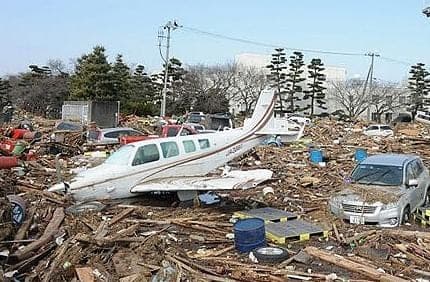
Tsunami aftermath with a small white airplane marooned among wrecked cars and scattered debris on muddy ground

Key Takeaways

  • Global disruption categories — natural disasters, pandemics, political instability — create predictable logistical questions for lifestyle travelers, and established platforms now handle them as routine operations rather than exceptional events.
  • Mutual-aid patterns within the lifestyle community often appear quickly when members in one region face a disruption, coordinated through existing social ties on verified platforms.
  • Official humanitarian organizations — the Red Cross, regionally appropriate equivalents, and major disaster-response NGOs — remain the primary channels for charitable giving during specific crises. Lifestyle platforms typically defer rather than compete with that infrastructure.
  • Event calendars and travel-heavy lifestyle destinations have built in contingency protocols for weather, regional disruption, and public-health events — which means disruption no longer means total loss for traveling members.

Frequently Asked Questions

How do lifestyle platforms respond when a global event disrupts travel?
Established platforms generally move through a recognizable sequence: notify affected members directly, coordinate with event hosts and venues, communicate rebooking or refund pathways clearly, and defer to official guidance from relevant authorities. Larger event networks and lifestyle resorts have developed specific disruption playbooks because weather events, regional instability, and public-health situations now recur often enough that the response is routine. What couples benefit most from is early, honest communication rather than reassurance.
Does the lifestyle community participate in charitable giving during disasters?
Yes, and it has for as long as the modern community has existed. Platforms and event hosts have organized fundraisers for major humanitarian causes including earthquake and tsunami response, hurricane relief, pandemic-era mutual aid, and regional disasters. The community generally defers to established humanitarian organizations — the Red Cross, regional equivalents, and major disaster-response NGOs — rather than creating parallel giving infrastructure. The value the community adds is mobilization and awareness within its own network, not competing with professional disaster response.
How should lifestyle-active travelers think about disruption risk?
Practically. Travel insurance that covers regional disruption, flexible booking on resorts and cruises, awareness of regional entry-requirement shifts, and realistic expectations about specific regions all help. Lifestyle-specific travel destinations now provide clearer contingency communication than they did a decade ago, but the fundamentals of international travel planning still apply. The community's consistent guidance is to plan as any traveler would, and then apply the community-specific vetting on top.

Related articles

  • Considering Swinging? Honest Answers to Newbie QuestionsMar 23, 2022
  • Swinger Stereotypes and CNM Stigma: What Research ShowsJun 24, 2015
  • Grocery Shopping With a Lifestyle-Minded Eye: Food InnuendoFeb 15, 2012

The lifestyle community exists inside the same world everyone else does. When a regional disaster, a public-health event, or a political disruption unsettles travel, commerce, or daily life in one part of that world, the effects ripple through to event calendars, resort bookings, international member connections, and ordinary logistics for couples who had plans. How established platforms and the community itself respond to those disruptions has become, over the past two decades, a relatively predictable pattern — less dramatic than early coverage often suggested, and more competent than outsiders tend to expect.

Categories of Disruption, Not Specific Events

It is more useful to think in categories than in specific recent headlines. The major disruption types that affect lifestyle-active couples in meaningful ways are natural disasters (earthquakes, tsunamis, hurricanes, wildfires), public-health events (pandemic-scale outbreaks, regional outbreaks that affect travel), political and regulatory instability (border closures, visa disruption, regional safety concerns), and large-scale humanitarian events that displace entire populations. Each category has a recognizable logistical profile, and established platforms and event networks now respond to each one as routine operations rather than as exceptional events.

The 2011 Fukushima disaster is one historical reference point that sits in the memory of long-term members, as does pandemic-era travel disruption and recurring Atlantic hurricane seasons that affect lifestyle-heavy Caribbean destinations. These are not one-time events; they are recurring categories, and the community has learned to plan accordingly.

What Good Platform Response Looks Like

Established lifestyle platforms and event networks generally move through a recognizable sequence when a disruption hits. Affected members get notified directly rather than hearing about it through general channels. Event hosts and venues coordinate on rebooking, rescheduling, or refund pathways. Communication from the platform stays factual and avoids both minimization and melodrama. Official humanitarian and governmental guidance drives the substantive recommendations — platforms defer to experts rather than issuing parallel advisories.

For couples, the single most useful platform behavior is early honest communication. Reassurance without substance erodes trust; early factual updates, even when the news is not good, tend to build it. Larger event networks and lifestyle resorts have developed explicit playbooks for weather, regional disruption, and public-health events because they now recur often enough to treat as routine.

Members who travel extensively for lifestyle events tend to describe disruption the same way frequent travelers in any community do: plan for it, do not let it freeze you out of the larger community, and trust platforms that communicate early over ones that reassure without substance. The most common regret shared is waiting too long to make a call about a trip when the signals were already clear. The most common positive story is the event community that showed up for affected members — often through quiet mutual aid rather than formal fundraising — in the days after a disruption hit.

— Lifestyle-active travelers on Swing.com who have navigated major disruptions

Mutual Aid and Charitable Giving Within the Community

Mutual aid within the lifestyle community tends to appear quickly and organically when members in one region face a disruption. Long-running friendships on verified platforms convert into practical support — housing offers, travel coordination, and informal financial help — through the same networks that people already use socially. This is not a formal infrastructure, and it is not a substitute for professional disaster response. It is the ordinary behavior of a community that already knows each other.

Charitable giving during specific disasters follows a similar pattern. Platforms and event hosts have organized fundraisers for earthquake response, hurricane relief, pandemic-era aid, and regional humanitarian causes. The giving is generally routed through established humanitarian organizations — the Red Cross, regional equivalents, major disaster-response NGOs — rather than through parallel lifestyle-specific channels. The community's value-add is mobilization within its own network, not competing with professional infrastructure.

Planning as an Ordinary Traveler

The practical guidance that holds up best across disruption types is unglamorous. Travel insurance that covers regional disruption matters. Flexible booking on resorts, cruises, and international events matters. Awareness of regional entry requirements and how they shift matters. Lifestyle-specific destinations have gotten clearer about contingency communication than they were a decade ago, and that clarity is worth rewarding with repeat business.

The community that emerges on the other side of any given disruption is generally the same one that went in. What changes, usefully, is institutional memory — the accumulated sense of how platforms and event networks behaved under pressure, which ones communicated well, and which ones did not. That memory is part of what makes the community's response to the next disruption a little steadier each time.