

Swinging and BDSM are different communities with different histories, different vocabularies, and different etiquette — but they overlap heavily for couples whose interests blend swap with kink. The overlap is where lifestyle gets interesting; the differences are where social blunders happen.
Where they overlap
- Consent culture. Both communities have built explicit, ongoing-consent norms decades ahead of the vanilla mainstream. Safe words, negotiation, and aftercare originated in BDSM and have been adopted across the lifestyle.
- Couples-with-couples play that includes kink. Many lifestyle couples bring rope, impact play, or D/s scenes into their swap dynamics. Role-play is mainstream in both worlds.
- Venues. Some on-premise lifestyle clubs run kink-themed nights; some BDSM dungeons run swinger-friendly nights — local club calendars and word of mouth at munches are the best way to find them.
- Etiquette norms. Discretion, honour the host, ask before you touch, no means no — both communities run on the same operating principles.

Where they diverge
- Default activity. Lifestyle defaults to coupled sex with variety. BDSM defaults to power-exchange play, often without intercourse.
- Vocabulary. "Top/bottom" and "Dom/sub" come from BDSM; "full swap" and "unicorn" come from the lifestyle. Mixing them up flags you as a tourist.
- Time scale. A lifestyle club night is fast and social; a BDSM scene is slow and focused. A four-hour rope scene at a play party feels different from a four-hour swap-and-mingle at a club.
- Identity vs activity. BDSM practitioners often hold "I am a sub" as an identity. Most swingers hold "we're a couple who play" as an activity. The frame matters in conversation.
- Pace of relationship. Lifestyle play partnerships often stay at activity-level for years. BDSM partnerships often involve deeper power-exchange contracts, ongoing protocols, and identity-level commitments.
The "kinky lifestyle couple"
A common-and-growing demographic: couples who attend lifestyle clubs and kink-friendly play parties, who swap in some encounters and run D/s scenes in others. This middle space has its own etiquette: be fluent in both vocabularies, don't import an identity-level expectation into a casual swap, don't drag a casual-swap pace into a heavy scene. Know which night you're at.
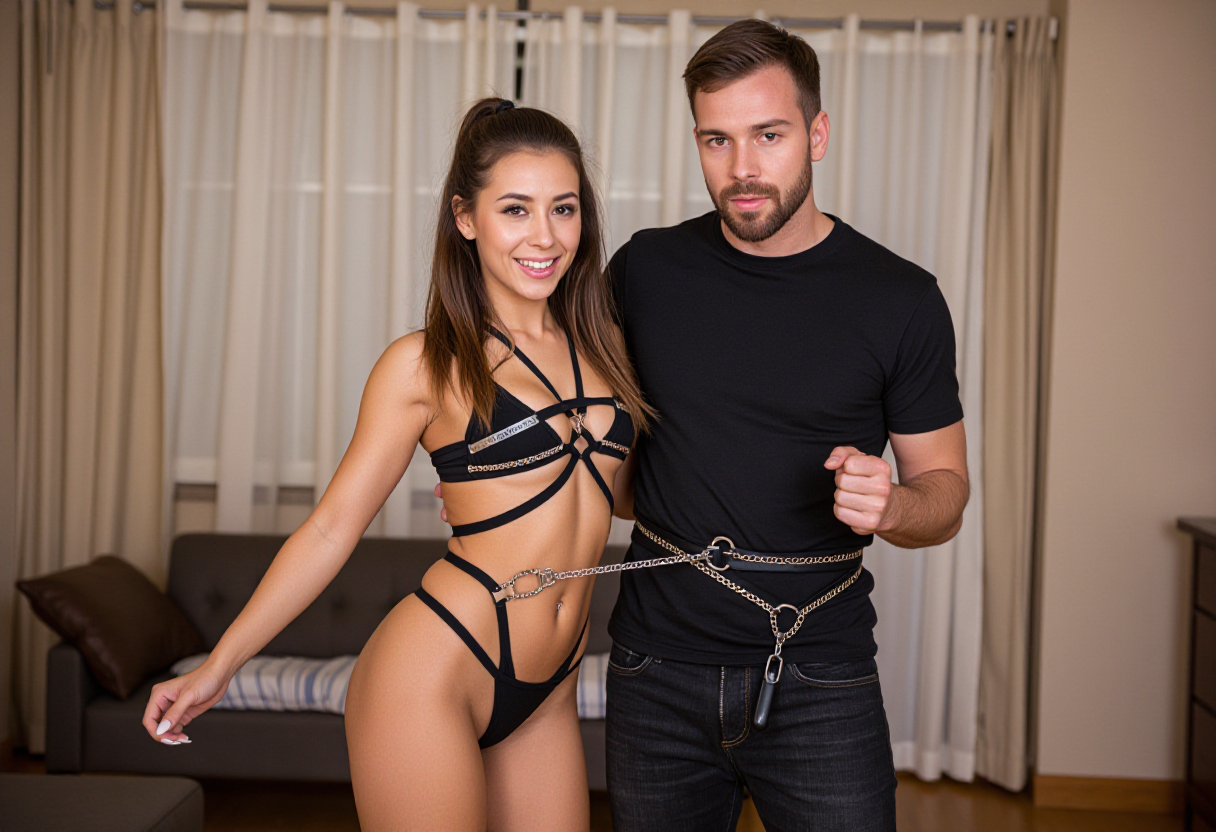
If you're a swinger curious about kink
- Attend a munch — public, clothed, no play. Designed for vetting.
- Take a workshop. Most US metros have rope, impact, or negotiation classes monthly.
- Find one person you trust before you scene. Newer kink-explorers should never play with strangers in the same way they might at a lifestyle club.
If you're a BDSM practitioner curious about swinging
- Attend a meet-and-greet at a local lifestyle club. Watch the pace and tone.
- Read the etiquette. Towel rules, no-photos rules, and approach norms differ from BDSM venues.
- Don't lead with identity. "We're poly Dom/sub-switch curious about swap" is more text than most lifestyle couples want at the bar.
See also: munches, role-play, and podcasts on BDSM and the lifestyle.